Import guide
How to Import Wuling Yangguang Pro EV Vans from China
Eight steps from first inquiry to vans released at your port — with the documents you need at each stage.
By EVtoU Export TeamPublished Updated 2 min read
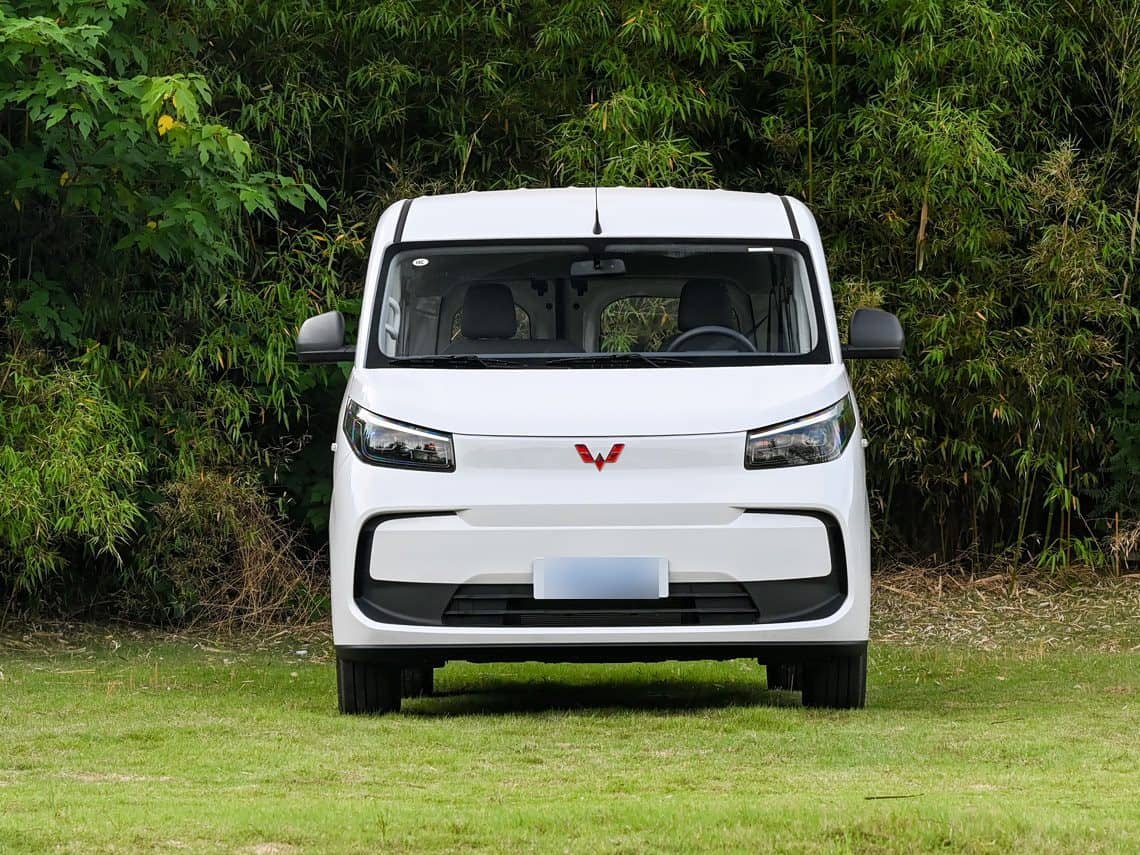
Importing electric vans from China is straightforward when you know the order of steps. Here is the process for the Wuling Yangguang Pro, from first inquiry to vans on your roads.
1. Check your country's import rules first
Before choosing a van, ask a local customs broker three questions: Which certification does an imported electric van need? Is there an age limit for used vehicles? Are right-hand-drive or left-hand-drive vehicles restricted? The Yangguang Pro is left-hand drive. Our market guides summarise rules for eight countries with links to official sources.
2. Choose the version
Panel van (2 seats) for cargo, 6-seat passenger for crews, 9-seat Operation edition for passenger fleets, or the EREV for long routes. Compare all six versions on the specification page.
3. Ask for a quotation: FOB or CIF
Send the version, quantity, destination port and your preferred Incoterm. FOB covers the van loaded on board in China; CIF adds freight and insurance to your port. Both terms are defined in the ICC's Incoterms® 2020 rules.
“Incoterms® rules define the responsibilities of sellers and buyers for the delivery of goods under sales contracts.”
4. Confirm the proforma invoice
The proforma invoice (PI) lists the exact version, colour, quantity, price, Incoterm, payment terms and estimated shipping date. Check every line — it is the reference for the whole transaction.
5. Pay and follow preparation
In-stock vans ship within 10 working days after payment. At each milestone — allocation, inspection, loading — you receive a photo or video confirming the status of your vehicle.
6. Export clearance and shipping
We complete Chinese export customs and load the vans by Ro-Ro or container. Mixed-model orders can share a container to reduce freight cost.
7. Receive your documents
- Commercial invoice and packing list
- Bill of lading
- Certificate of origin
- Any conformity documents your country requires
8. Import clearance and registration
Your broker clears the vans, pays duties and taxes, and arranges registration. Keep the manufacturer specification sheet handy — authorities often ask for motor power, battery capacity and weights, all listed on our vehicle pages.
For the full service description, read our export process page.
Related articles
Model guide2 min read
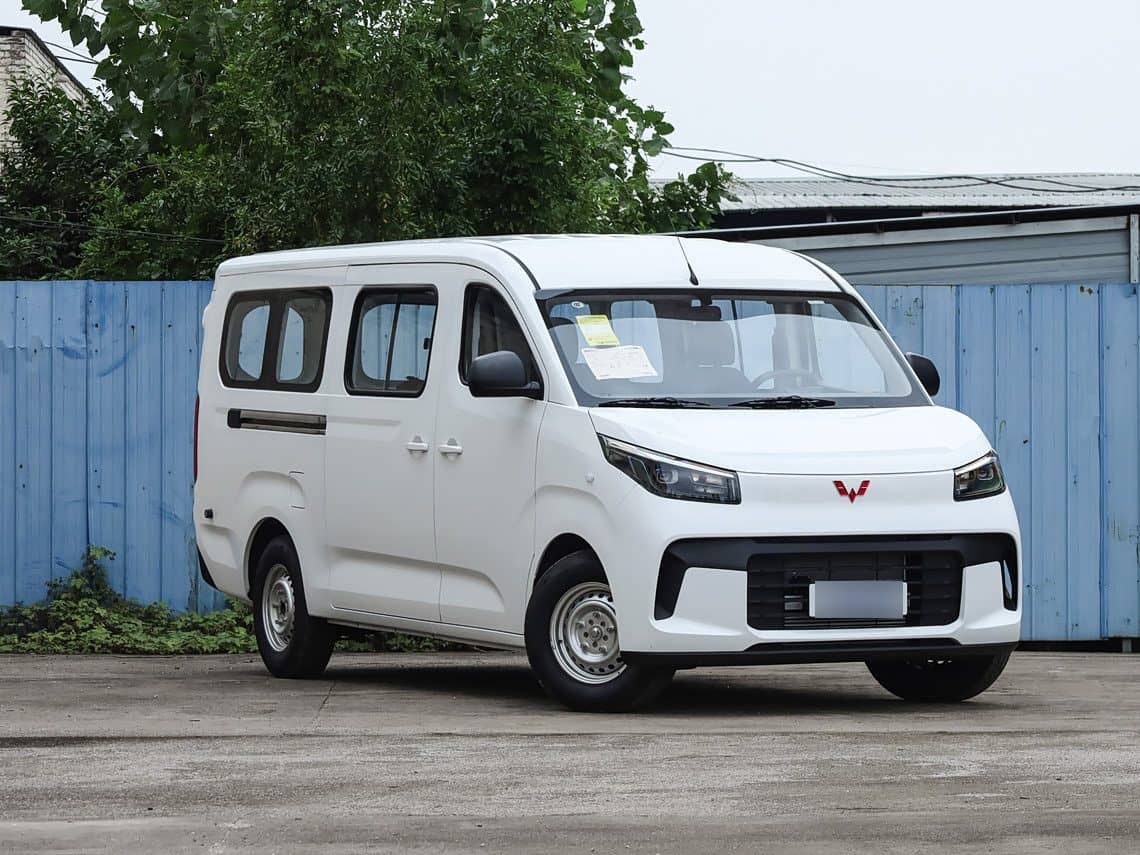
Wuling Yangguang Pro EREV: Big-Van Practicality with 850 km Combined Range
How the extended-range Pro works, what the 850 km figure means and where it makes more sense than a pure EV.
Read the article
Model guide2 min read
Nearly 2 Metres Wide: Inside the Cargo Area and Driving Character of the Yangguang Pro
Cargo-box dimensions, loading access and the chassis facts that shape how the Pro drives.
Read the article
Fleet guide2 min read
Scale Your Last-Mile Delivery Business with the Wuling Yangguang Pro
From one trial van to a repeat-order fleet: a step-by-step plan for operators importing from China.
Read the article